Will ads skew voting in police commissioner elections?
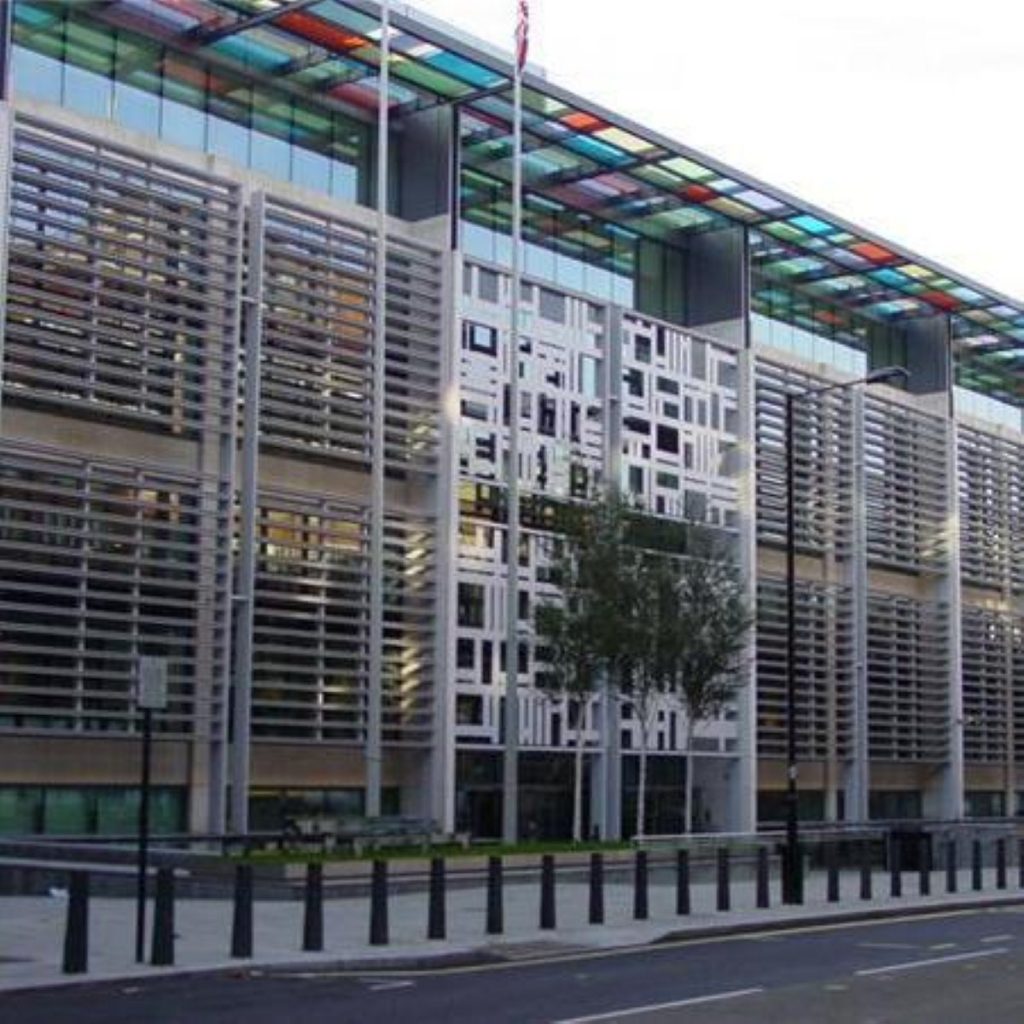
The Home Office's advertising campaign ahead of November's police and crime commissioner elections is giving the Electoral Commission a distinct case of the jitters.
It was only after summer recess that the Electoral Commission discovered the government's new plan. They thought their public awareness campaign, which they are obliged to provide by statute, had sealed the matter up long ago. That was approved by the MPs who provide their funding in autumn 2011. Imagine their surprise when it emerged the Home Office has come up with the extremely innovative idea of conducting their own advertising campaign.
An official briefing from the Electoral Commission notes that this is a "significant departure from usual practice", adding in worried tone: "if questions are raised about the neutrality of it by voters or candidates it could affect public confidence in the elections".
What does it mean by that? Having spoken to a spokesperson, it seems their concern is that by conducting this advertising campaign the government could end up encouraging voters to back candidates standing on behalf of the governing parties.


Of course, this all depends on what adverts are eventually run. If it does have any kind of negative impact the Electoral Commission will pick up on it in its analysis of the elections, based on interviews with voters and candidates. Better to prevent any bias entering the contests beforehand, though – hence the guarded warning.
UPDATE: Calm down, Home Office urges
It is the considered view of the government that the Electoral Commission is, in short, getting a bit carried away.
The government's advertising campaign for PCCs will be run "with the utmost consideration for fairness and propriety," a Home Office spokesperson insists.
"Our campaign activity will aim to reach voters across the 41 forces, explain the role of PCCs and encourage people to vote in the elections for whichever candidate they choose."
For good measure they address another criticism levelled against ministers right now – namely, their failure to pay for a mailout for each candidate in the elections. This is only serving to reinforce the dominance of the main political parties, which have impressive campaign budgets, at the expense of independents whose only qualification might be that they actually have experience of policing in the local area.
"A mailshot would cost up to £30 million, which in the current economic climate is not a justifiable expense," the spokesperson adds.
"We are confident members of the public will be able to access all the information they need."